
How to Grow Social Media Followers Organically and With Paid Support?
To grow social media followers, you need useful content, consistent posting, a clear profile, and regular interaction with your audience. Organic growth builds trust and creates a loyal community over time.
Paid promotion can accelerate visibility, especially when launching a new account, post, or campaign. The best results usually come from using both methods together rather than relying on just one.
Organic growth takes time, but what it builds lasts longer: trust, genuine loyalty, and an audience that actually engages with your content rather than just following and going quiet.
14 Tactics You Must Follow To Grow Your Social Media
Most brands focus only on posting more often. That is not enough. Follower growth usually comes from small improvements across your profile, content, timing, engagement, and promotion. These tactics can help you attract people who are more likely to follow and stay connected.
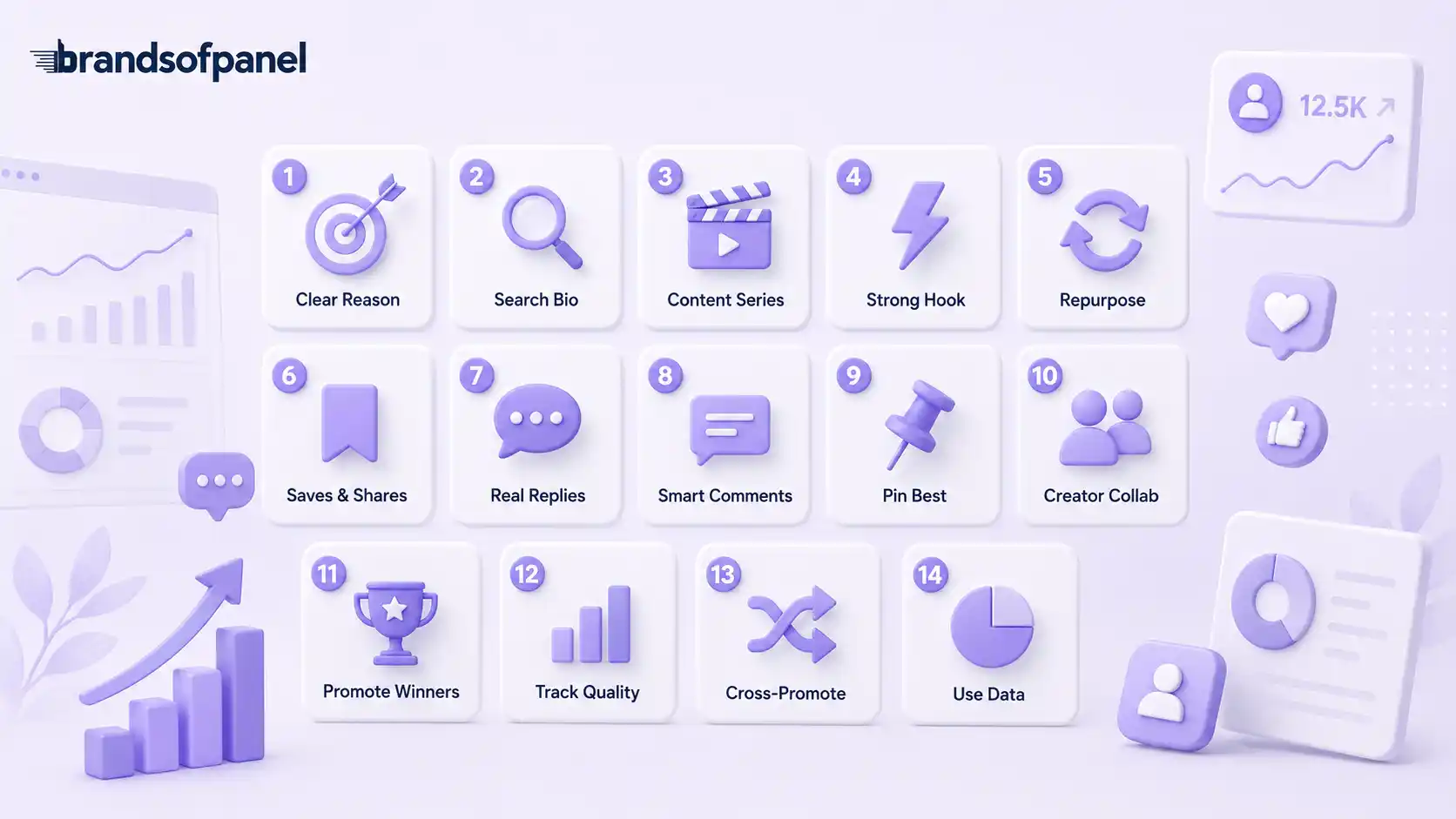
1. Give people a clear reason to follow
Your profile should make it obvious what followers will get from you. It could be tips, tutorials, industry updates, entertainment, product ideas, or behind-the-scenes content. A clear promise makes Give people a clear reason to followthe follow-up decision easier.
For example, instead of writing "Digital marketer helping brands grow," write "I share 3 Instagram growth tips every Tuesday. Follow if you want more reach without spending on ads." The second version tells people exactly what they get and when.
2. Optimize your bio for search
Use relevant keywords in your name, bio, and profile description.
This helps people find your account through social search. Keep the message simple and include a clear value proposition.
3. Create a repeatable content series
Instead of posting random topics, create a recognisable series. For example, publish weekly tips, common mistakes, short tutorials, or monthly industry updates. People are more likely to follow when they know more useful content is coming.
A fitness page running "Monday Mistake" every week showing one common gym error gives followers a reason to return. They know what is coming, and that predictability is what makes people hit follow.
4. Use a strong hook immediately
The opening line or the first few seconds determine whether someone keeps watching. Start with a question, problem, surprising fact, or clear benefit. Avoid long introductions that delay the main point.
Weak: "Today I want to talk about Instagram growth."
Strong: "I gained 2,000 followers in 30 days without posting more. Here is the only thing I changed."
The second version makes people stop scrolling immediately.
5. Turn one idea into several formats
A single topic can become a Reel, a carousel, a Story, a short video, a text post, or a live discussion. Repurposing helps you stay consistent without having to create every post from scratch.
6. Focus on saves and shares
Likes are useful, but saved and shared posts often show stronger interest. Create checklists, templates, tutorials, comparisons, and practical tips that people can revisit or share with others.
For example, a post titled "10 caption formulas that actually work" gets saved because people want to reuse it. A post titled "Why engagement matters in 2026" gets scrolled past because there is nothing to come back to.
7. Reply to comments with real answers
Do not respond with only emojis or short thank-you messages. Give helpful replies, ask follow-up questions, and continue the conversation. This makes the account feel active and encourages more people to join in.
Weak: "Thank you! 😊"
Strong: "Glad it helped — which part was most useful? I posted a deeper breakdown on this last week if you want more detail."
The second reply keeps the conversation going and signals to the algorithm that the post is generating real engagement.
8. Comment on relevant accounts
Leave useful comments on posts that your target audience follows. Avoid generic comments such as “great post.” Add an opinion, example, or practical point that makes people curious enough to visit your profile.
Weak: "Great post! Very helpful 👏"
Strong: "Agreed, especially point 3. For smaller accounts, doing this within the first hour of posting tends to make a much bigger difference than doing it later."
The second comment adds a specific opinion and extra value, which is what brings profile visits.
9. Pin your strongest content
Pin posts that explain who you are, show your best work, or answer a common audience question. New visitors often check pinned content before deciding whether to follow.
10. Collaborate with smaller creators
Micro-creators often have focused and engaged audiences. Joint posts, interviews, live sessions, and content swaps can introduce your account to people who already care about your niche.
For example, a food creator messages a kitchen brand: "I will review your product in a recipe video you share with your audience." Both sides reach new followers without paying each other anything.
11. Promote proven content
Do not spend money promoting every post. First, identify content that already performs well organically. Paid ads or a carefully selected SMM panel service can then give that content extra visibility. Start small and avoid sudden bulk growth.
12. Track follower quality, not only follower count
More followers do not always mean better results. Track engagement rate, profile visits, watch time, website clicks, messages, and unfollows. These metrics show whether you are attracting the right audience.
For example, an account with 10,000 followers should see at least 100–300 engagements per post. If you are consistently getting 20–30 likes, your audience is not the right fit and adding more followers will not fix that problem.
13. Cross-Promote with Other Brands
Collaborating with brands that aren’t direct competitors helps grow your following. Partnerships allow you to share followers and boost engagement. You could host a giveaway or contest that requires followers to like both brands' profiles. Sponsoring events or co-hosting a live-streaming event are other good options.
14. Make the Best Use of Your Data
Business accounts on social media give you better analytics. You can see which posts receive the most engagement and whether they lead to sales. Facebook and Pinterest offer pixels that you can link to your website.
Run A/B tests to compare how different posts perform. Try different copy with the same image, or vice versa. You can also test video lengths or blog posts. The data you gather helps you understand your audience better and improve your strategy.
How to Grow Social Media Followers Organically?
Social media growth feels much easier when you stop posting randomly and start following a clear structure. These rules are not platform laws. They are simple planning frameworks that help you balance useful content, engagement, promotion, and community building.
You do not need to follow every rule at once. Pick the one that fits your brand, test it for a few weeks, and adjust it based on your results.

5-5-5 Rule for Social Media
The 5-5-5 rule is a daily engagement routine. The idea is simple:
- Like five relevant posts.
- Leave five meaningful comments.
- Reply to five comments, messages, or mentions.
Some marketers use slightly different versions, but the goal remains the same: spend time interacting rather than just publishing content.
People are more likely to notice an account that joins conversations. A thoughtful comment can bring profile visits, start a discussion, and help you connect with people in your niche.
It also makes your account feel human. You are not just posting and disappearing.
Set aside 15 to 20 minutes each day.
Find posts from your followers, potential customers, industry pages, or creators in your niche. Like the posts you genuinely enjoy and leave comments that add something useful.
Avoid comments like “Nice post” or “Great content.” Share a quick opinion, ask a relevant question, or add an example. Then reply to people who have already interacted with your account.
Do this consistently, but do not force it. Quality matters more than completing the numbers.
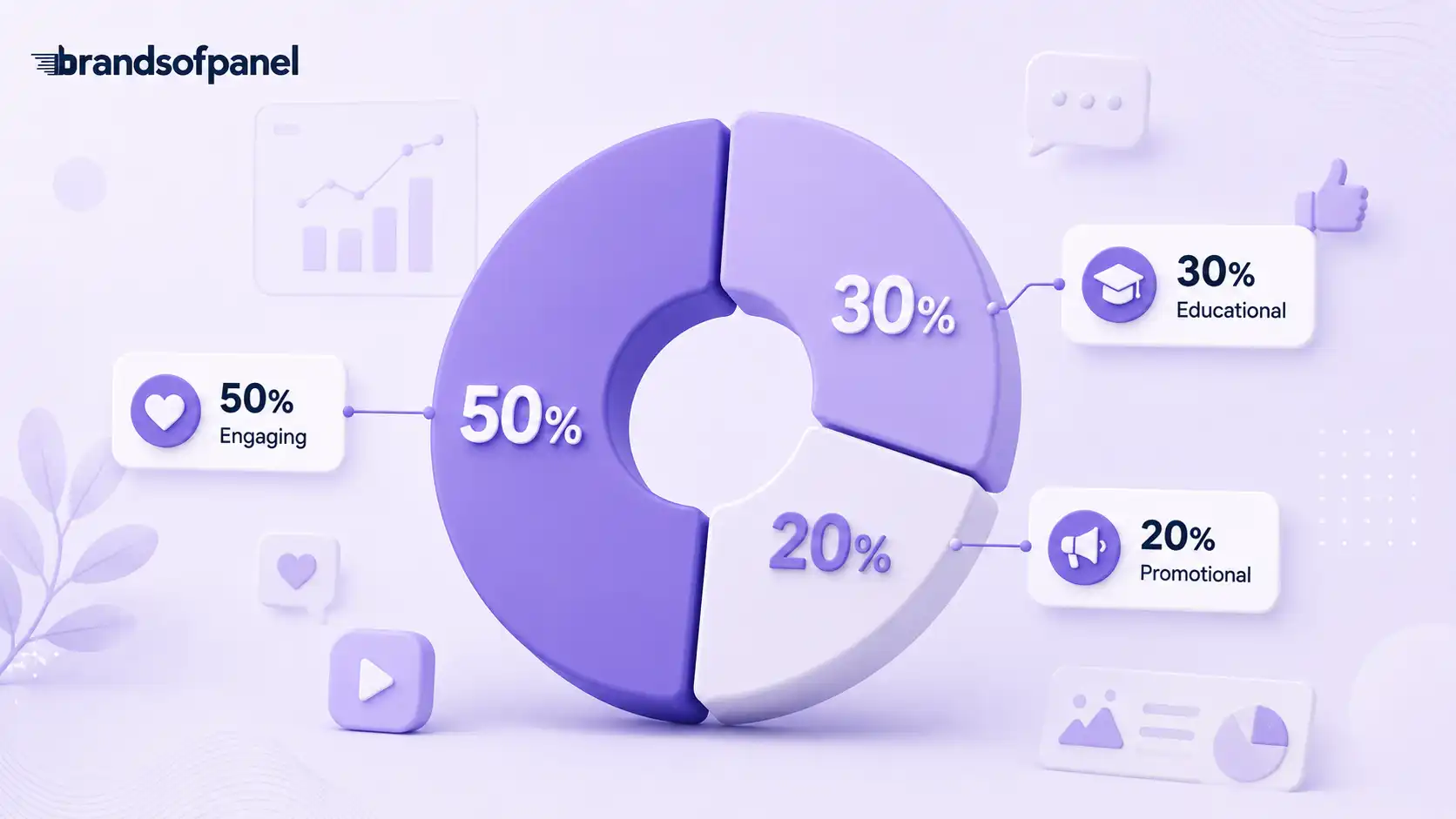
50/30/20 Rule for Social Media
The 50/30/20 rule helps you divide your content into three categories:
- 50% engaging or entertaining content
- 30% educational content
- 20% promotional content
The exact percentages can change, but the main idea is to avoid making every post about selling.
People do not follow brands just to see advertisements. They follow accounts that teach them something, entertain them, or make them feel understood.
This content mix keeps your page interesting while still giving you room to promote your business.
For every ten posts, you could publish:
- Five posts designed to start conversations or entertain your audience
- Three posts that teach, explain, or solve a problem
- Two posts that promote a product, service, event, or offer
For example, a fitness coach might share five relatable or motivational posts, three workout tips, and two coaching offers.
Review the performance after a month. When educational posts bring more saves and shares, increase that category. Let the audience response guide the final balance.

4 C’s of Social Media Strategy
The 4 C’s can be used as a simple way to shape a complete social media strategy:
- Content
- Conversation
- Community
- Conversion
Each part has a different job. Together, they help turn casual viewers into active followers and, eventually, customers or supporters.
Publishing content is only the first step. You also need to talk with people, build relationships, and give interested followers a clear next action.
A page can have good content but still grow slowly when there is no conversation or community around it.
Start with content that solves a problem, shares an idea, or entertains your audience.
Use conversation to keep people involved. Reply to comments, ask questions, run polls, and join relevant discussions.
Build community by recognizing regular followers, sharing user-generated content, and making people feel included.
Finally, focus on conversion. This does not always mean selling. It may mean asking someone to visit your website, subscribe to a newsletter, download a guide, send a message, or book a call.
Think of the 4 C’s as a journey: attract, talk, connect, and guide.
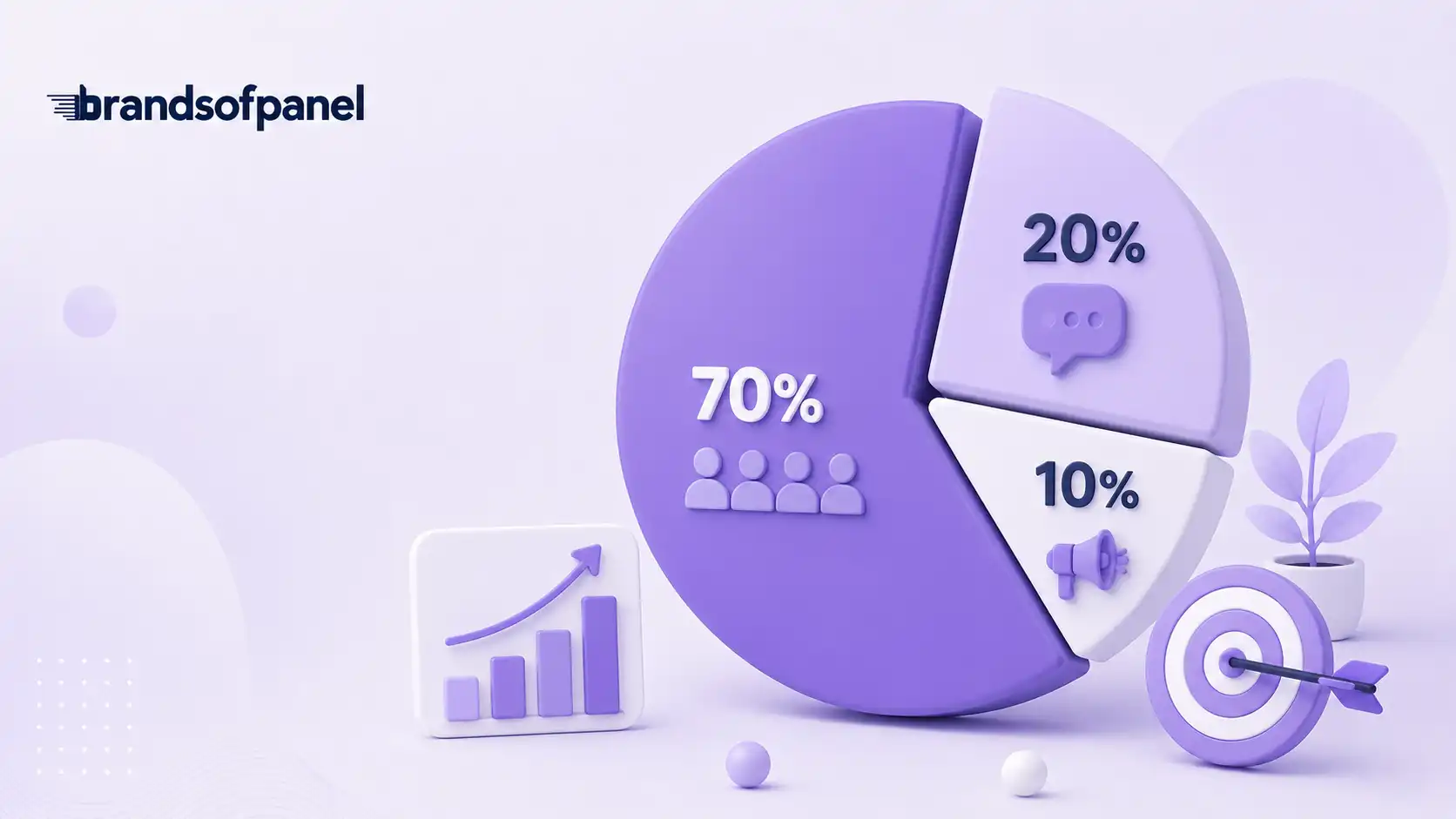
70/20/10 Rule for Social Media
The 70/20/10 rule is another way to balance your content:
- 70% useful content related to your main topic
- 20% shared, collaborative, or community-focused content
- 10% direct promotional content
This keeps the majority of your feed focused on value rather than sales.
Followers stay interested when they know your page regularly gives them something useful. Direct promotion feels more natural when it appears between helpful posts, customer stories, and industry conversations.
The 20% section also helps your brand feel connected to a wider community, rather than just talking about itself.
For every ten posts:
- Create seven posts around your expertise, audience problems, or core niche.
- Use two posts for customer stories, creator collaborations, industry updates, or curated ideas.
- Use one post for a direct sales message.
A skincare brand could share seven skincare tips, two customer or creator features, and one product promotion.
Do not treat the numbers as strict rules. The goal is simply to give more than you ask.

4-1-1 Rule in Social Media
The 4-1-1 rule creates a six-post content cycle:
- Four useful or relevant posts
- One soft promotional post
- One direct promotional post
A soft promotion educates first and mentions the offer naturally. A direct promotion clearly asks the audience to take action.
Too much promotion can make a page feel repetitive and pushy. The 4-1-1 rule keeps your content helpful while still making space for sales.
It also makes promotional posts feel more earned because the audience has already received useful content.
Start with four posts that teach, entertain, answer questions, or share practical ideas. Then publish one soft promotional post.
For example, explain a common problem and mention your service as one possible solution.
Follow that with one direct promotional post. This could include the offer, price, deadline, benefit, or call to action.
After completing the six-post cycle, repeat it with new topics.
Track more than likes. Look at saves, shares, profile visits, messages, clicks, and conversions. Those numbers will tell you whether the content mix is actually helping your account grow.
These rules are starting points, not fixed formulas.
So, choose one framework, use it consistently, and keep improving it based on what your audience responds to.
Paid Ways to Grow Your Social Media
Paid promotion can help your account reach people faster, especially when organic growth is slow. The key is choosing a method that fits your goal, audience, and budget. Before spending money, make sure your profile, bio, pinned posts, and recent content give visitors a clear reason to follow.
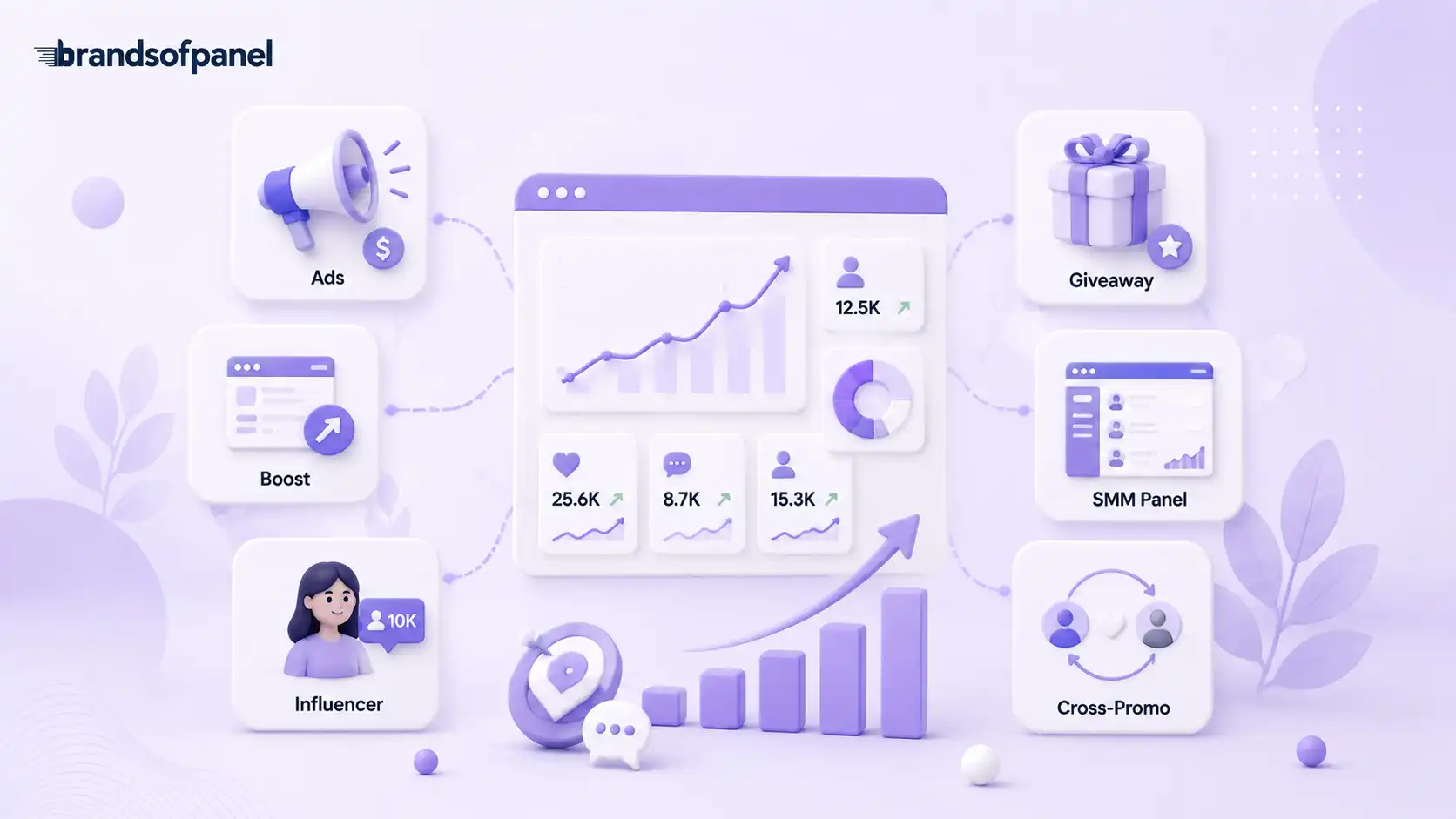
Social Media Ads
Social media ads let you target people by age, location, interests, job role, and online behaviour. You can run campaigns for reach, video views, engagement, website traffic, leads, or followers.
Platforms such as Facebook, Instagram, TikTok, YouTube, LinkedIn, and X all offer paid advertising options. Start with a small budget, test with multiple audiences, and compare which campaign attracts the most relevant followers.
Boost Your Best-Performing Posts
Do not pay to promote every post. First, check which content already receives strong watch time, shares, saves, comments, or profile visits. These posts have already shown that people find them useful.
Boosting proven content is usually safer than promoting a weak post. It gives your best work a larger audience and increases the chance of turning viewers into followers.
Influencer and Creator Collaborations
You can pay a creator in your niche to review your product, mention your account, create sponsored content, or publish a collaboration post.
A smaller creator with an active, relevant audience may deliver better results than a large account with broad followers. Before agreeing to a partnership, check the creator’s engagement, content quality, audience location, and past sponsored posts.
Sponsored Giveaways
A paid giveaway can draw attention to your account when the prize aligns with your target audience. You can partner with another brand or creator and ask people to follow, comment, or share to enter.
Choose the prize carefully. A random cash prize or expensive gadget may attract people who have no interest in your content. Once the giveaway ends, many of them may unfollow. A niche-specific prize usually brings better-quality followers.
SMM Panel Services
An SMM panel lets users order followers, views, likes, and other engagement services from a single dashboard. It can help a new account gain early visibility or make selected content look more active.
Start with a small test order and use gradual delivery rather than buying a large quantity at once. Avoid any service that asks for your password. An SMM panel should support your wider marketing plan, not replace content, real engagement, or audience building.
Paid Cross-Promotion
Paid cross-promotion means paying another page, newsletter, website, podcast, or community to feature your account. This can work well when their audience closely matches your target followers.
For example, a fitness coach may pay a health newsletter for a mention, while a local business may sponsor a community page. Ask for audience data before paying and use a trackable link to measure profile visits, clicks, and conversions.
Retargeting Campaigns
Retargeting lets you advertise to people who have already interacted with your brand. They may have visited your website, watched a video, opened a product page, or engaged with one of your posts.
These people already know something about your brand, so they may be more likely to follow or take action. Retargeting is especially useful for businesses, online stores, service providers, and creators with an existing audience.
Paid Newsletter and Community Features
You can also pay for a feature in an industry newsletter, Facebook group, Telegram channel, Discord community, or niche publication.
This works best when the community is active and clearly related to your topic. Avoid paying for access to large but inactive groups. Relevance matters more than total member count.
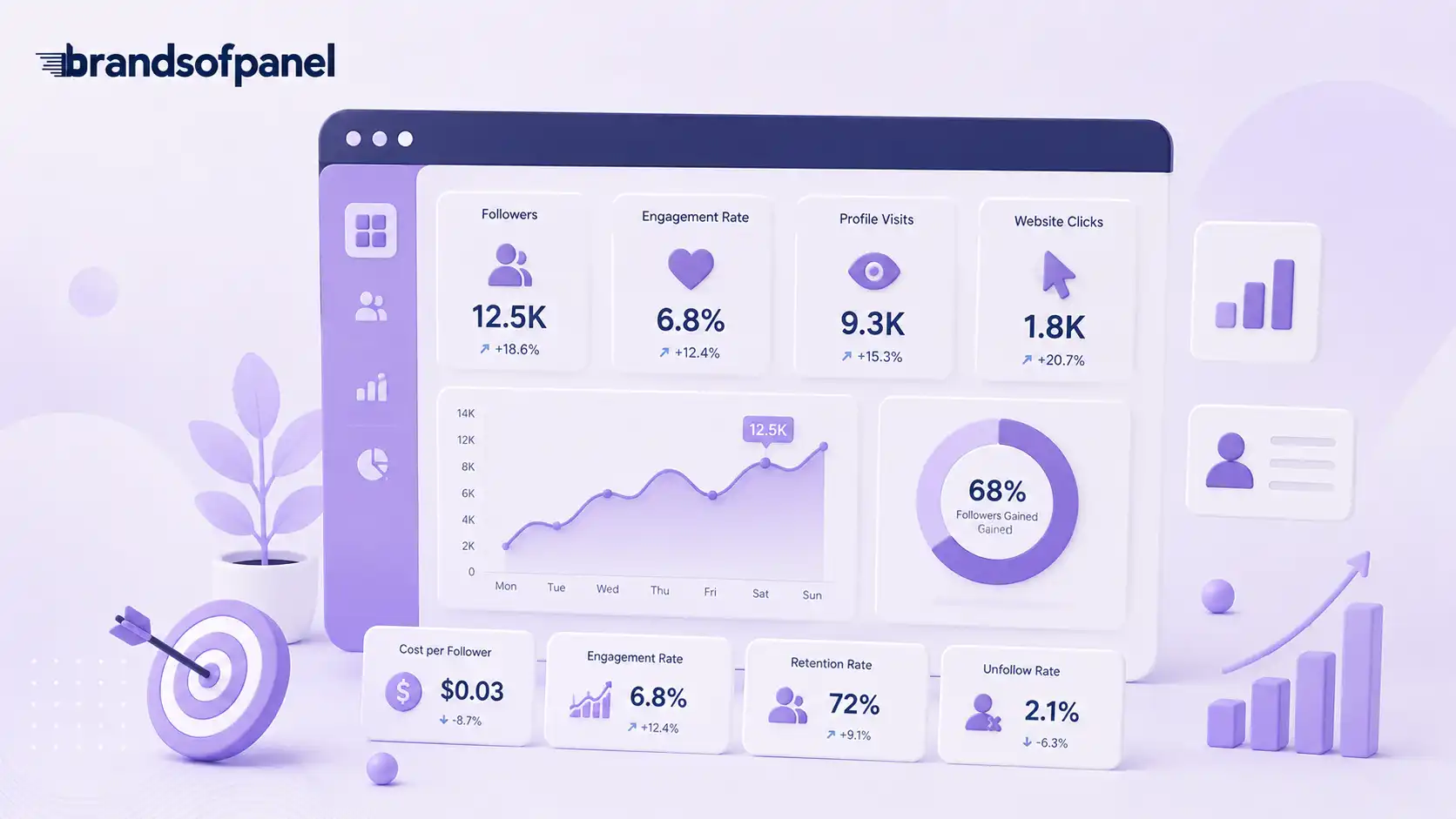
Track the Results Before Spending More
Paid growth should be measured carefully. Do not look only at the number of new followers.
Track:
- Cost per follower
- Profile visits
- Engagement rate
- Watch time
- Website clicks
- Direct messages
- Unfollow rate
- Leads and conversions
Start small, compare the results, and increase the budget only when the campaign brings the type of audience you actually want.
Different Social Media Platforms to Grow Your Followers
Each social platform works a bit differently. You can reach more people by knowing how to use each one. From Facebook to TikTok, each platform has unique features. Here’s a simple guide to help you use each platform effectively.
- Run ads on Facebook or Instagram after creating a Facebook Business Page.
- Use Meta Business Manager for detailed social media analytics.
- Connect the Facebook pixel to track visitors on your website.
- Respond to customers through live or automated chat.
- Post long-form content and videos, including articles from websites or YouTube.
- Create service menus and offers, ideal for businesses without a website.
- Post articles, blogs, and updates. Share product releases and press news.
- Show your expertise with helpful content that others will share.
- Network with brands and professionals. It’s better for B2B leads.
- Quality content is highly valued on LinkedIn, along with audience engagement.
- Communicate with customers from anywhere around the world.
- Build personal, one-on-one relationships with clients.
- Set up a business profile with greetings, away messages, and quick replies.
- Use translation tools to connect with multilingual customers.
- The Business API has advanced features for automating messages.
- Drive sales and let customers make purchases directly through the app.
- Share photos, meaningful content, videos, and live streams to engage your audience.
- Connect with customers through direct messages and comments.
- Let your audience comment or DM you directly.
- Use relevant hashtags to reach new followers.
- Instagram’s algorithm favours engagement from your audience.
X (Formerly Twitter)
- Post tweets of fewer than 280 characters.
- Share content multiple times each day.
- Repost articles, blogs, and press releases to keep your audience updated.
- Use hashtags to follow trends and attract new followers.
- Show your brand's personality with fun content like jokes and questions.
- 60% of followers are more likely to recommend or buy from brands they follow.
YouTube
- Post videos up to 15 minutes for unverified accounts; verified accounts can upload longer.
- Use product demos or tutorials to showcase your products.
- Run ads to build brand awareness and get leads.
- Popular videos can earn ad revenue.
- Target customers using keywords or interests in your ads.
- Upload photos and video content.
- Pick from a variety of pin formats.
- Use the Pinterest Tag to track conversions and improve reporting.
- Pinterest drives 3.8 times more sales than other platforms.
Snapchat
- Create custom filters for brand awareness and engagement.
- Reach new audiences through the Discover feature.
- Run location-based and age-targeted ads.
- Upload your product catalogue for direct purchases.
- Snapchat is casual and promotes fun, authentic content. It’s mainly for users under 35.
TikTok
- Upload videos up to 10 minutes long, but most are under 30 seconds.
- TikTok mainly targets Gen Z users.
- Sell directly through in-feed videos, live streams, and product tabs.
- Profiles with fewer than 100K followers have a 28% engagement rate.
Still unsure which platforms to focus on? Find experts like BrandsofPanel to help you grow your social media following.
Conclusion
Growing social media followers takes time, consistency, and a clear strategy. Focus on useful content, real engagement, and the platforms your audience actually uses. Paid promotion can speed things up, but long-term growth still depends on trust, relevance, and content people want to follow.
Frequently Asked Questions
How often should I post on social media?
Posting three to five times per week is a good starting point for most brands. The ideal frequency depends on the platform, your content quality, and how often your audience wants to hear from you.
What type of content attracts more followers?
Educational posts, short videos, practical tips, relatable content, tutorials, case studies, and behind-the-scenes posts often perform well. People follow accounts that regularly give them a reason to return.
Do hashtags help increase followers?
Hashtags can help people discover your content, especially on Instagram, TikTok, and LinkedIn. Use a mix of niche, local, and topic-specific hashtags rather than broad or unrelated ones.
What is the best time to post?
The best time depends on your audience’s location, habits, and platform. Check your analytics to see when followers are most active, then test different posting times over several weeks.
How can I turn viewers into followers?
Make your niche clear, offer consistent value, and add a simple call to action. Ask viewers to follow for more tips, updates, tutorials, or content related to the topic they just watched.
Should I use paid ads to grow followers?
Paid ads can help you reach relevant people faster. Promote your strongest content, target the right audience, and start with a small budget before increasing your spending.
Can an SMM panel help grow followers?
An SMM panel can support early visibility and social proof. However, it should not replace quality content, real engagement, or organic audience growth. Start with a small test order and avoid sudden bulk growth.
Why are my social media followers not increasing?
Common reasons include unclear positioning, weak content, inconsistent posting, poor profile optimization, limited audience engagement, and posting on the wrong platform. Review your analytics to identify where people lose interest.
How long does it take to grow a social media following?
Most accounts need several months of consistent posting to see steady progress. Building a large, engaged audience usually takes longer and depends on content quality, competition, platform choice, and promotion.
How can I avoid fake followers?
Avoid unknown providers, unrealistic packages, sudden bulk orders, and services that promise guaranteed real followers. Focus on targeted ads, creator partnerships, useful content, and gradual growth.
Which social media platform is easiest to grow on?
There is no single easiest platform for everyone. TikTok and Instagram Reels can offer faster discovery, while YouTube, LinkedIn, and Facebook may work better for specific industries and long-term audience building.